




Marijuana
Marijuana is an extremely popular and prevalent drug in the United States. A recent survey of our patient charts shows that marijuana currently is the number one drug used by teens.
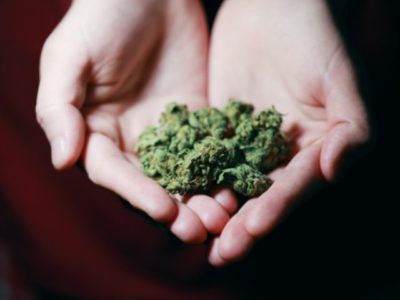
Marijuana is dried leaves and buds from the hemp plant, Cannabis Sativa. Marijuana’s main psychoactive ingredient is tetrahydrocannabinol (THC). Common street names for marijuana include weed, grass, blunt, dope, hash, pot, Mary Jane, ganja, or bud. Alternative forms of high-potency marijuana concentrates are commonly called dabs, oil, shatter, or budder.
Over the last few decades, marijuana’s potency has increased significantly. The average THC content in marijuana around 1995 was 4%, but by 2014 it had risen to 12%. Additionally, newer forms of high-potency marijuana concentrates are commonly available. Studies show that THC concentration can be as high as 80% in these new marijuana concentrates. This has led to new and more frequent health risks associated with marijuana use, such as marijuana hyperemesis and marijuana-induced psychosis.
Methods of Pot Abuse
Marijuana is most often inhaled as smoke through the lungs. Commonly used paraphernalia for marijuana use include bongs (glass or metal holders used to smoke the marijuana), aluminum cans, markers, cigarette rolling papers (used to make marijuana cigarettes), small metal screens (commonly found on kitchen faucets), and lighters/matches.
High-potency marijuana concentrates are commonly ingested through vape pens or specially designed glass bongs called oil rigs.
Marijuana can also be ingested orally. Marijuana edibles have grown in popularity in recent years and can take many forms, from brownies to gummy candies.
Marijuana / Weed / Pot Addiction’s Effect on the Body
Marijuana directly affects certain parts of the brain, such as those governing emotions, memory, judgment, and alters the way a person experiences sight, hearing, smells, tastes and textures. Pot/marijuana users experience many central nervous system effects such as delayed reaction times, increased heart rate, dilated blood vessels, sweating, dry mouth, breathing difficulties and frequent coughing.
Marijuana use is also known to lead to decreased lung capacity, coughing / weezing, and sputum production over time.
Learn more about the effects of marijuana on the body.
Marijuana / Weed / Pot Addiction Signs and Symptoms
Marijuana, weed, and pot addiction signs and symptoms vary greatly in those who use pot/weed. Some acute signs and symptoms of marijuana and pot use are:
- Dry mouth
- Intense food cravings
- Red eyes
- Panic attacks
- Sweaty palms
- Dazed, slow demeanor
Long term and daily marijuana / weed / pot users often exhibit some of the following behavioral signs and symptoms:
- Mood swings
- Apathy
- Lack of concern for the future
- Loss of motivation
- Loss of ambition
- Diminished ability to carry out long term planning
- Difficulty in concentration
- Impaired memory
- Decline in work or school performance
- Loss of interest in extracurricular / recreational activities
- Secretive or sneaky behavior
- Angry or aggressive outbursts
- Change in sleeping patterns
Dangerous Effects of Marijuana Addiction
Marijuana has a reputation among pot users as a relaxing and harmless drug that has no lasting effects. Some think weed addiction is not possible and it causes no physiological damage. Marijuana, however, has many adverse effects. There are more than 400 chemicals in marijuana. Weed and pot users may be as much as 200 times more likely of having psychotic episodes or irreversible psychosis. Marijuana and pot users also often do not feel impaired, but reaction times and thinking processes are delayed or compromised, which makes driving and other tasks dangerous — leading to extremely high accident and death rates related to weed and pot use. Marijuana users are also more likely to get colds, cancer and emphysema due in part to weakened immunity in the body. Weed and pot users may also have difficulty in interpersonal relationships due to extreme mood swings, de-personalization and delusions. Most controversial is marijuana’s reputation as a gateway or stepping stone drug. Because of the weed and pot’s social acceptance, second only to alcohol, using marijuana is often seen as an adolescent norm or rite of passage. This misconception of the potential harmful effects of marijuana contributes greatly to the widespread use of marijuana by adolescents. The Substance Abuse and Mental Health Services Administration (SAMHSA) reports that the younger someone is when he or she uses marijuana, the more likely he or she is to use other drugs when they reach adulthood.
Here’s how some of the “harder” drugs compare in terms of use:
Cocaine: 62 percent of adults who had used marijuana before the age of 15 have used cocaine at some point during their lives. For those who had never used marijuana, that number is 0.6 percent.
Heroin: Those who use marijuana in youth are more likely to use heroin. That number is 9 percent as compared to 0.1 percent for those who had never used marijuana.
Psychotherapeutic drugs: 53.9 percent of those who used marijuana before the age of 15 report that they have also tried to use psychotherapeutic drugs for non-medical uses. The rate for those who have not used marijuana is 5.1 percent.
It is clear that marijuana use can pre-dispose people for substance abuse later in life.
Even with marijuana use on the decline in general, it is clear that with 2.1 million people using marijuana for the first time each year, this is still an issue.
Marijuana and Pot Addiction Withdrawal Signs and Symptoms
Contrary to popular myth, research has shown that marijuana users often suffer from withdrawal symptoms. These symptoms include changes in appetite and sleep and mood disturbances, which have lasting effects on significant life areas and interpersonal relationships. Marijuana / weed / pot addiction withdrawal signs and symptoms also include restlessness, sweating, insomnia, weakened immune system and can cause intense mood swings.