




Prescription drugs have become one of the most commonly abused drugs by teenagers and young adults. There are a wide variety of prescription drugs and they are easier for teens to acquire than alcohol or other drugs. Many teens falsely believe they can abuse prescription drugs to “get high” without the potential for addiction or physical harm because prescription drugs are prescribed by doctors. Most common prescription drugs fall into one of four categories:
- Barbiturates (seen less often with teens)
- Benzodiazepines (Valium, Xanax, Klonopin, Ativan)
- Semi synthetic opiates (Vicodin, Oxycodone, OxyContin, Percocet
- Amphetamines (Ritalin, Adderall).
Methods of Prescription Drug Abuse
Prescription drugs are primarily taken orally. Some users crush and snort certain prescription pills for a faster, more intense “high”. Because some people see prescription drugs as less harmful than street drugs, the potential for overdose is great. People who abuse prescription drugs often do so in hazardous combinations or in conjunction with alcohol, which is potentially deadly. Many times prescription are taken without any knowledge of what the actual drug is.
Prescription Drug Abuse Signs and Symptoms
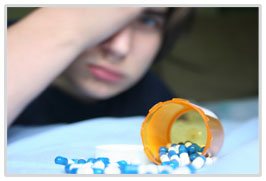
The signs and symptoms of prescription drug abuse vary because of the wide range of types of prescription drugs.
- Finding unmarked pills or plastic baggies
- Pinpoint or very small pupils can indicate opiate use.
- Large, overly dilated pupils can indicate amphetamine use.
- A decline in school or work performance
- Angry or aggressive outbursts
- Regularly withdrawn or depressed
- Unusually forgetful
- Change in sleeping pattern
- Change in appetite; eating patterns
- Secretive or suspicious behavior
- Needing to see a doctor more than normal or for undefined pains / vague anxieties
- Doctor shopping – getting prescriptions for pain medications / anti anxiety medication from multiple physicians in the same time period.
- Becoming angry with doctors who will not prescribe desired drugs
Prescription Drug Abuse Overdose
The potential for an overdose of prescription drugs is great. For example, when mixing two depressants together, i.e., alcohol and opiates, the drugs can work together to ultimately depress the body’s vital centers, heart rate and breathing. Mixing alcohol with stimulants will lessen the acute effects of alcohol causing the user to not feel “drunk” and thus drink until the point of alcohol poisoning or coma.
Prescription Drug Withdrawal Symptoms
Prescription drug withdrawal symptoms differ depending on the drug.
Benzodiazepines, also called benzo, (Xanax, Valium, Klonopin, Ativan) withdrawal symptoms include recurrence and magnification of the original symptom being treated. If someone has been abusing Xanax for anxiety and stops taking the drug, the user will experience from 7 to 28 days of seemingly greater anxiety. Benzodiazepine withdrawal symptoms also carries the potential for seizure because the brain’s tissue has become dependent on the particular substance. If you suspect Benzodiazepine abuse seek medical advice regarding detoxification, also known as “benzo detox.”
Opiate withdrawal symptoms can be acute (stomach cramping, lack of sleep, restless legs, vomiting, sweating) and post acute (mood swings, sleeping problems) which can take place for up to three to six months. Because of the expensive price of prescription opioids, many abusers turn the cheaper alternative, heroin and soon develop a dependence to heroin which has similar withdrawal symptoms.
Prescription amphetamines withdrawal symptoms are generally mild, usually including depression, insomnia, and changes in the heart rhythm.
If you see signs and symptoms that your child or loved one is abusing prescriptions drugs call Pathway 877-921-4050.